Vice, Corruption and Decay

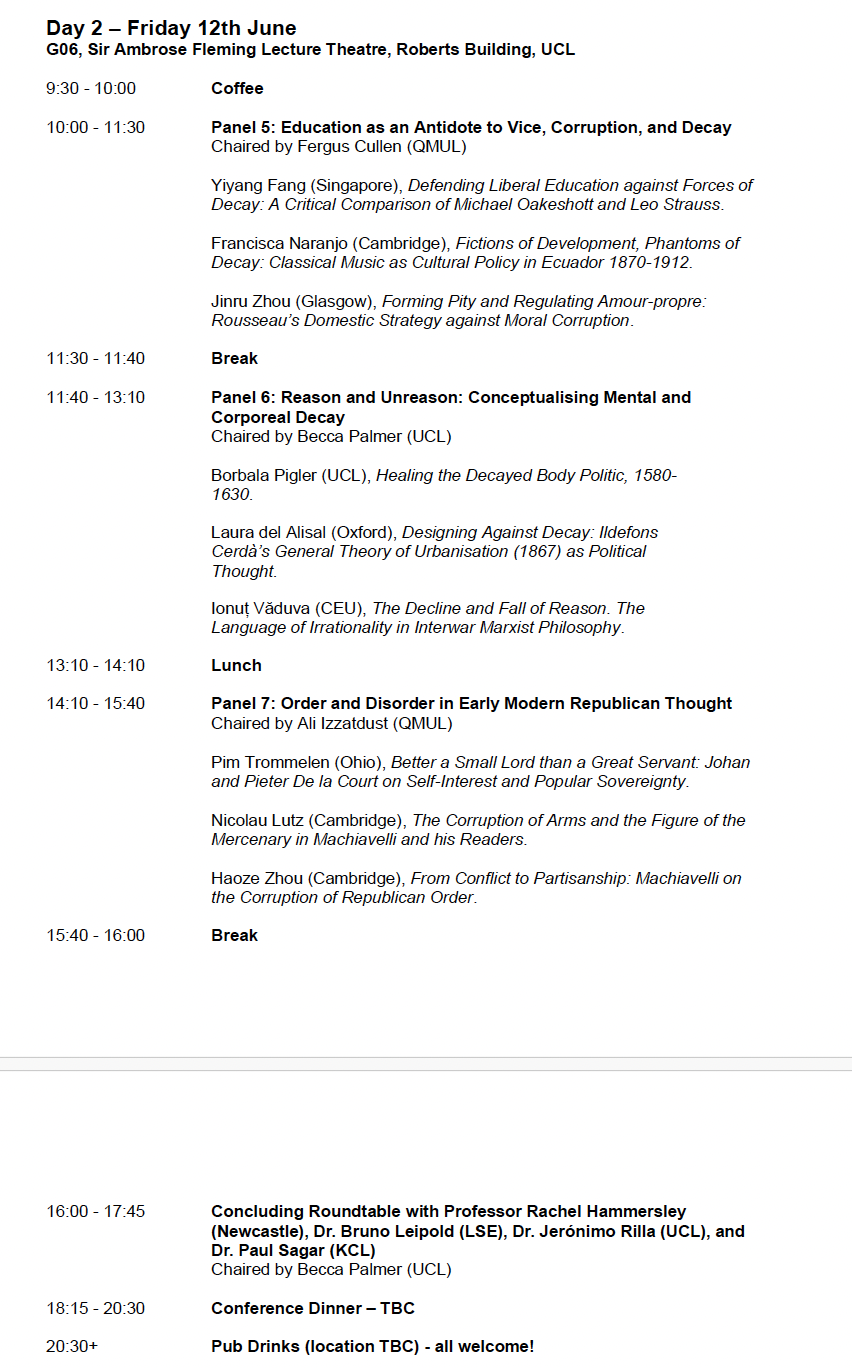
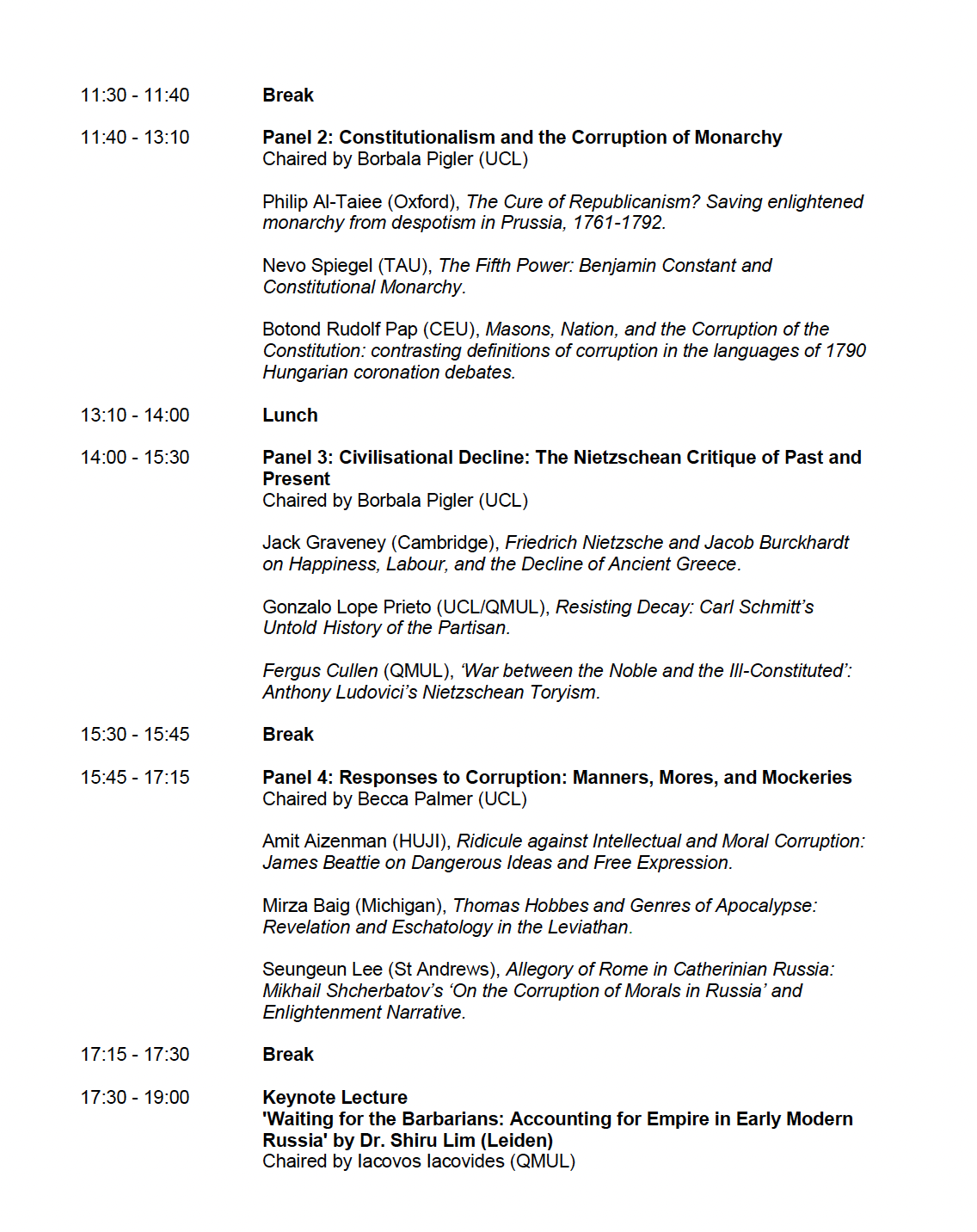
In June I attended the 17th Annual London Graduate Conference in the History of Political Thought. As several participants noted, it seemed sadly fitting to be at a conference on the theme of 'Vice, Corruption, and Decay' on the opening day of the 2026 World Cup. Despite the potentially depressing theme, the conference proved remarkably stimulating and upbeat. As always, what follows are my personal reflections on the event.
While the three words of the conference title are closely related, each has a different meaning and distinct connotations. One contrast drawn out in the papers was between cyclical and terminal decline. Platonic and Aristotelian ideas of political corruption involve states cycling through a series of constitutional models with a degeneration from one to the next. Consequently, this can be viewed as a process of constant change. By contrast the biological image of decay implies that the decline is terminal and that the result will be complete destruction or death.
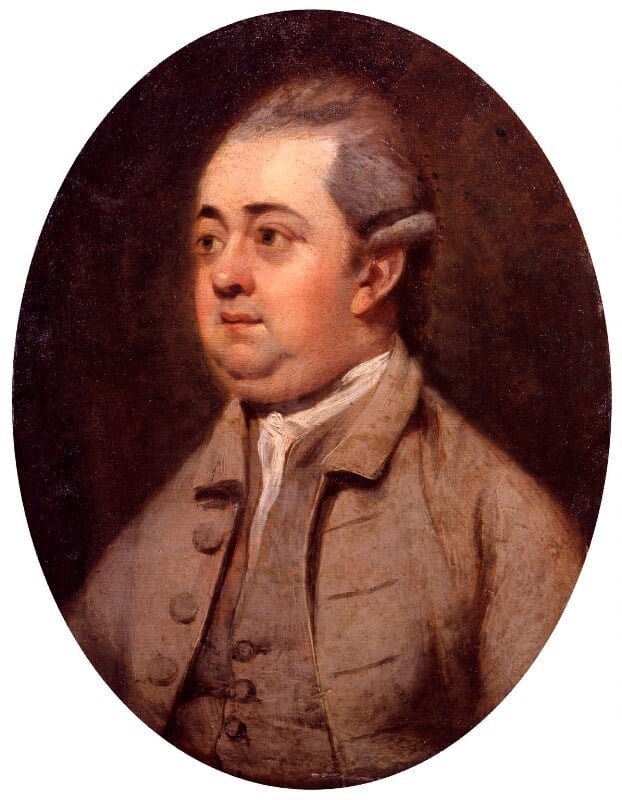
Edward Gibbon by Henry Walton, 1773. National Portrait Gallery, NPG 1443. Reproduced under a Creative Commons Licence.

Several papers explored the possibilities for interrupting or postponing decline. Ming-Yan Shih presented the ideas of Thomas Pownall, a British politician and Governor of the Province of Massachusetts Bay. Pownall drew on the medieval idea of Translatio Imperii to suggest that the decline of the British Empire could be delayed by shifting the centre of the empire westward from London to the American continent. Similarly, Harun Ali observed that Edward Gibbon's well-known account of the decline and fall of Rome was complicated by the need for him to address the Eastern portion of the Empire, which survived the fall of Rome albeit in a state of 'premature and perpetual decay'. Harun pointed out that this means that Gibbon's 'decline' narrative is not quite what it seems. Mirza Baig's exploration of Hobbes's use of an apocalyptic narrative presented a similar disruption of the expected model. Having demonstrated that the apocalyptic was a standard literary genre at the time, Mirza went on to show how Hobbes re-temporalised that narrative. He thus presented the apocalyptic as marking the end of a world, rather than the end of the world, and consequently a moment of renewal or regeneration rather than destruction. Finally, Francisca Naranjo pointed out that progress and degeneration are not always in opposition but can exist simultaneously with degeneracy operating as a kind of shadow of development.

These issues were further explored in our closing discussion. Mirza observed that a cyclical model need not always return to the point of departure - as illustrated by the image of a spiral. Paul Sagar raised the question of whether there is a distinction between attitudes to corruption and decline on the Left as compared with the Right. Paul suggested that there is a tendency for the Right to think in terms of decline from a past golden age, whereas those on the Left are perhaps more likely to look forward to a better future. Yet Ionut Vaduva's paper provided an interesting counterpoint to this - in looking at the discourse of the decline and fall of reason in the writings of the Marxist philosophers György Lukács, Herbert Marcuse and Ernst Bloch. They perceived a contrast between the rationalism of the Enlightenment which was then developed by Hegel and Marx and the irrationalism of the ideas of counter-revolutionary thinkers such as Schelling, Schopenhauer and Kierkegaard, perhaps leading to Fascism. While Ionut's paper and other participants made clear that the picture is more complex, there did seem to be something in the notion of the Right seeing the move from aristocracy to democracy as a sign of corruption. This was, of course, central to Nietzsche's understanding, which was touched on in several papers.

Jack Graveney compared Nietzsche with his contemporary Joseph Burkhardt. For Nietzsche the slavery of the masses was necessary for the flourishing of the few. Burkhardt rejected Nietzsche's notion of the happiness of the past as an optical illusion, suggesting that Nietzsche's idea that the slave was happy on account of being free from modern delusions was a myth. Fergus Cullen showed how Nietzsche's veneration for aristocracy was picked up by the conservative Anthony Ludovici who contrasted a positive image of ancient aristocracy with a notion of modernity as marking the triumph of the weak and ugly. While not presented in the same Nietzschean vein, Gonzalo Lope Prieto's account of Carl Schmitt's idea of the partisan offered a similar notion of decline from an aristocratic original to a corrupt democratic form.
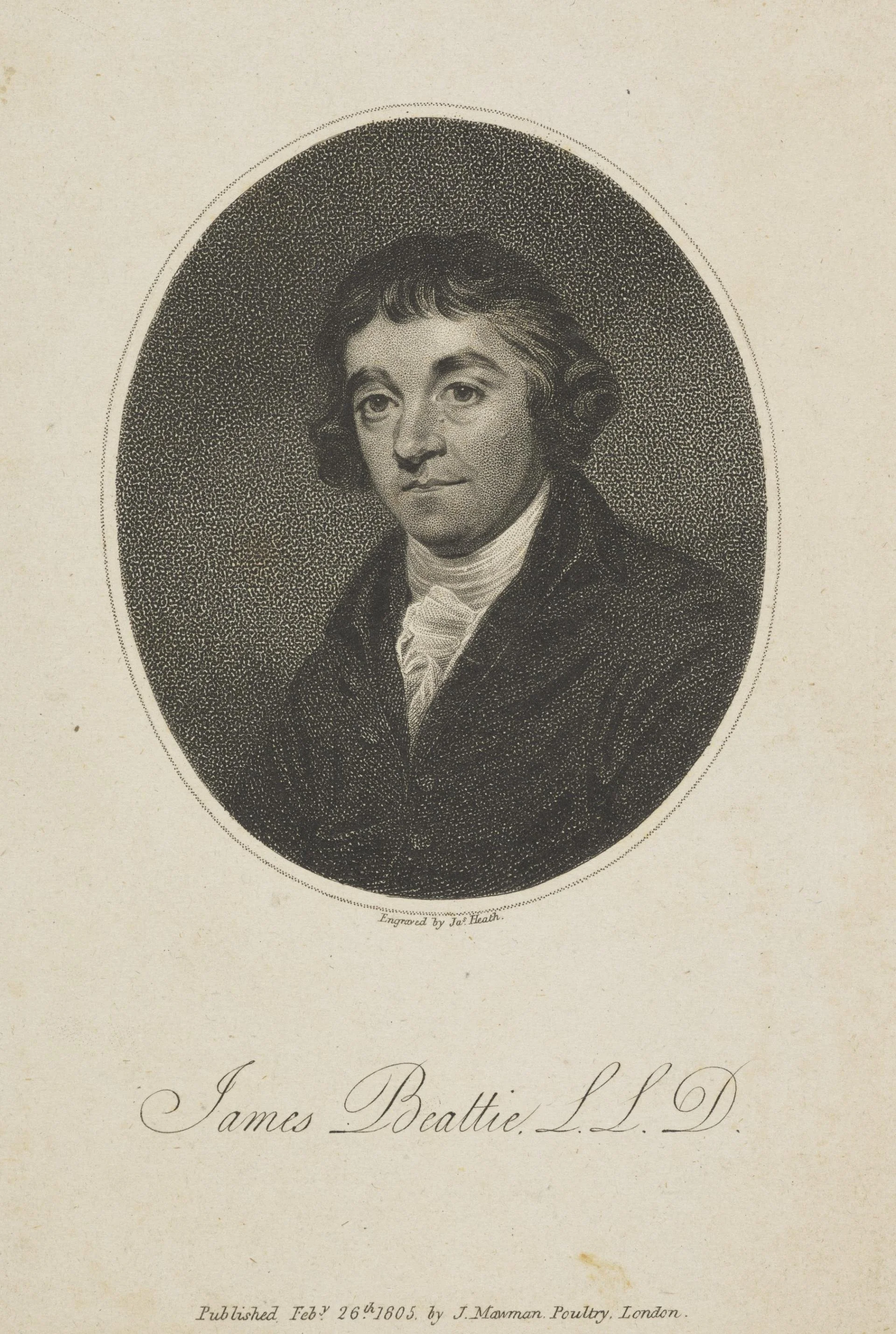
James Beattie, 1735-1803. Poet and moral philosophe. Image engraved by James Heath and published by J. Mawman, 1805. ‘National Galleries of Scotland’.

Other papers reflected the shift from aristocracy to democracy as constituting decline in more practical terms. Botond Rudolf Pap showed that for at least one of the late eighteenth-century Hungarian thinkers he studies, the nobility were the true and sole proprietors of the nation and any weakening of their power was viewed as decline. Seungeun Lee suggested that Mikhail Shcherbatov adopted a similar perspective on corruption in eighteenth-century Russia. He looked back to the noble virtues of the past and insisted on the need for the monarch to be tempered by aristocratic restraint. Similarly, Leo Strauss's concept of a Liberal Education - which was explored by Yiyang Fang - was designed to cultivate the 'perfect gentleman' and motivated by a rejection of mass democracy and culture. A similar sort of aristocratic disdain was even documented in Amit Aizenman's paper on James Beattie. Amit showed that Beattie's concern about Hume's scepticism was less about the ideas themselves, than their becoming fashionable among the general population. As Amit explained, this was why Beattie's solution was to challenge Hume's position via ridicule - since this was a means of damaging the social standing of the ideas and the philosopher associated with them.

As Botond noted, one person's decline is another's progress, and this was brought home in Pim Trommelen's paper on the De la Court brothers. In contrast to many republican thinkers, they did not favour aristocracy over democracy, nor did they believe that the cultivation of virtue was necessary to prevent corruption. Instead, they argued that the advancement of each person's self-love is an expression of the common good and on this basis argued that popular government is actually the best form. Bad behaviour on the part of the mob, they argued, is not due to human nature and so must instead be the result of material inequality. If that inequality is reduced and all are given the opportunity to participate in politics then vicious actions can be avoided.

Pim's paper was not the only one to address potential solutions to the problem of corruption. Some of the solutions explored across the 23 papers were familiar and expected, others less so.
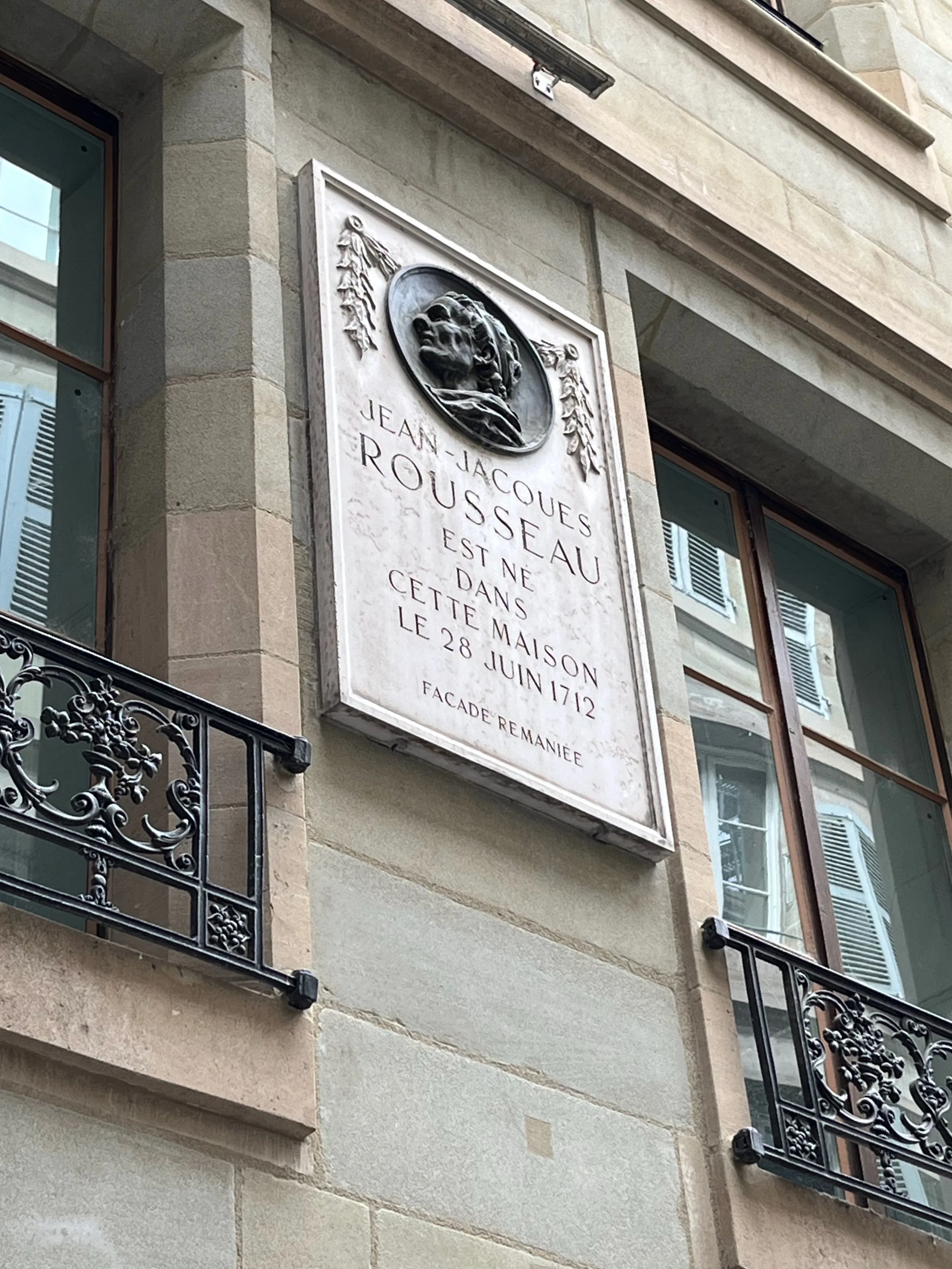
Plaque commemorating Jean-Jacques Rousseau’s birthplace in Geneva. Image by Rachel Hammersley, 2025.

Panel 5 as a whole focused on education, though what was interesting here was the diversity in how education was conceived. Yiyang compared the Liberal Education programmes of Michael Oakeshott and Leo Strauss. Both advocated reading the 'great books' in the history of political thought as crucial training, but Yiyang suggested that whereas for Strauss the goal of this programme was to seek the truth, for Oakeshott it was more about students being initiated into a tradition. Francisca highlighted the importance of music education in the new Equadorian republic in the late nineteenth century. In an historical context in which Latin America was seen as a developing region, while the West was perceived to be in decline, classical music was viewed simultaneously as a symptom of decay and a potential antidote to it. While Rousseau also valued music, his approach to addressing moral decay, as Jinru Zhou demonstrated, centred on the notion of pity. Jinru drew out the contrast between the natural pity of the Second Discourse - which is instinctive and anterior to reason - and the refined pity of Emile, which required imagination and judgement and which, if cultivated, could offer a domestic remedy to human corruption

Legal frameworks offer another conventional solution to the problem of corruption. Laws are a means of controlling the flawed behaviour of human beings and the rule of law can even constrain the actions of the ruler. In this vein, Philip Al-Taiee noted the rejection of personal decrees in a Prussian context and Botond observed that his Hungarian thinkers criticised breaches of the law by rulers such as Joseph and Maria Theresa. As Bram Sturley demonstrated in his discussion of the writings of early twentieth-century Austrian socialists, laws also have to be adapted to fit new circumstances - not least when seeking to incorporate different nationalities within the Hapsburg Empire.
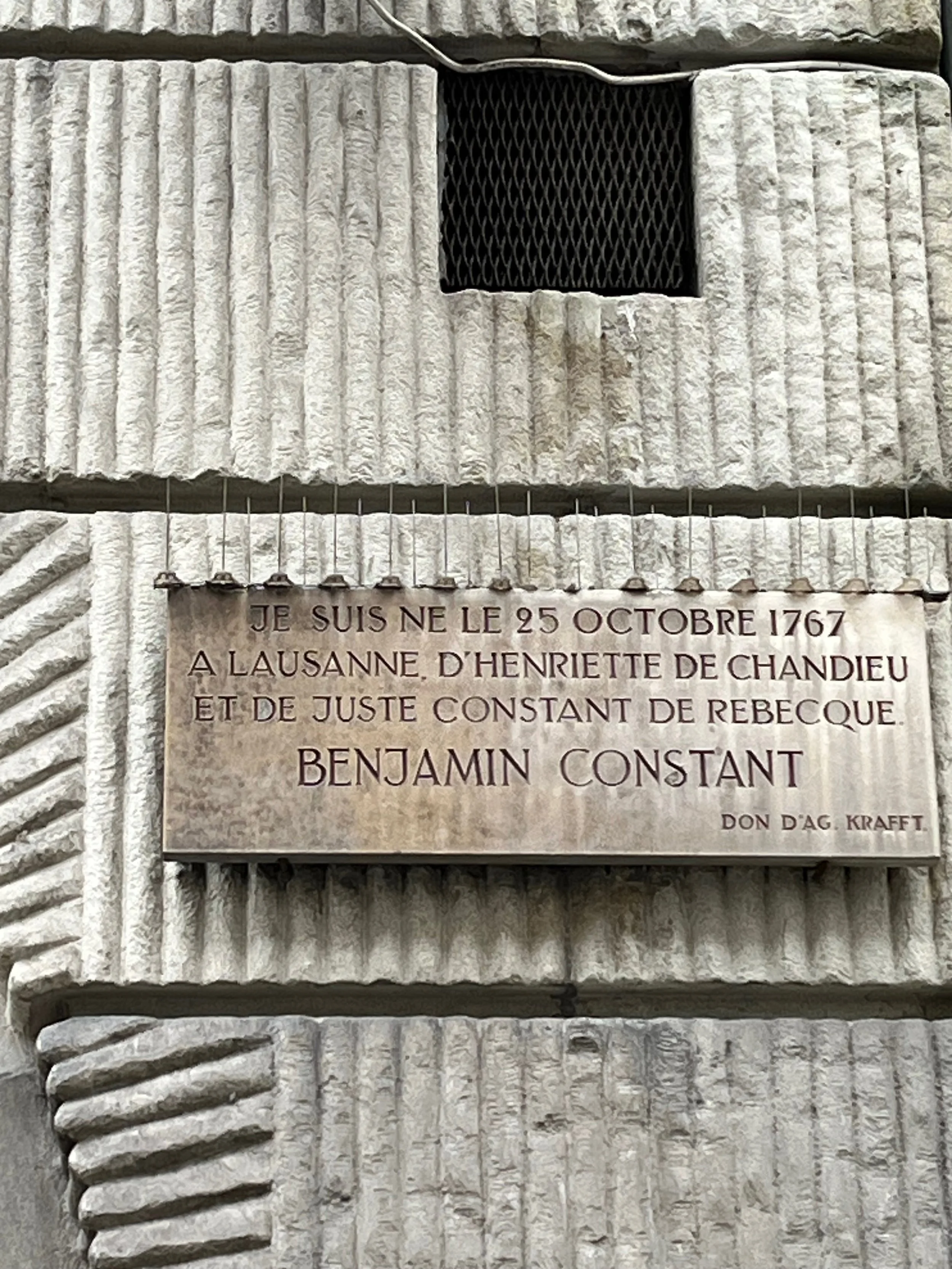
Plaque commemorating the birthplace of Benjamin Constant in Lausanne. Image by Rachel Hammersley, 2025.

Closely linked to the rule of law is the idea of a mixed constitution. The original formulation - dating back to Polybius - featured relatively little in our discussions, but we did explore modern adaptations. Philip revealed that some of his Prussian intellectuals used republican solutions to protect monarchy from slipping into despotism. In the same panel, Nevo Spiegel showed how Benjamin Constant's later writings advocated a monarch as a vertical balancing power to solve the republican problem of resolving conflicts between the legislative, executive, and judicial branches of the constitution. Pim reminded us that not all republican writers favoured the mixed constitution. Dutch thinkers like the De la Courts explicitly rejected that model on the grounds that it introduces competition into the system and so is liable to generate civil conflict.

For Machiavelli civil conflict was, of course, part of the solution rather than the problem, with active citizenship, tumults, and armed citizens all working to postpone decline. Yet, even here, the papers suggested that the story is more complex than we might think. Haoze Zhou showed that while the account offered in the Discourses is that conflict between the patricians and plebs rendered the Roman republic free and powerful, in the History of Florence civil conflict is a source of political decay. Haoze showed that the key for Machiavelli was to have conflict without sects and that this required good institutions that could contain private interests. Nicolau Lutz's paper complicated another key aspect of Machiavelli's thought - his preference for citizen soldiers over mercenaries. Nicolau showed that while Machiavelli saw mercenaries as morally corrupt, the Straussian critique of the civic humanist position, which suggested that Machiavelli believed strong leadership could make mercenaries more like citizen soldiers, is not entirely incorrect.

Interestingly religion as a solution to the problem of moral corruption was less prominent in the papers. It only surfaced in the final panel when Haoze presented religious institutions as one means by which Machiavelli thought private interests could be contained. Its almost complete absence from our discussions probably says as much about twenty-first-century intellectual historians' preoccupations as the importance of religion to the topic itself.
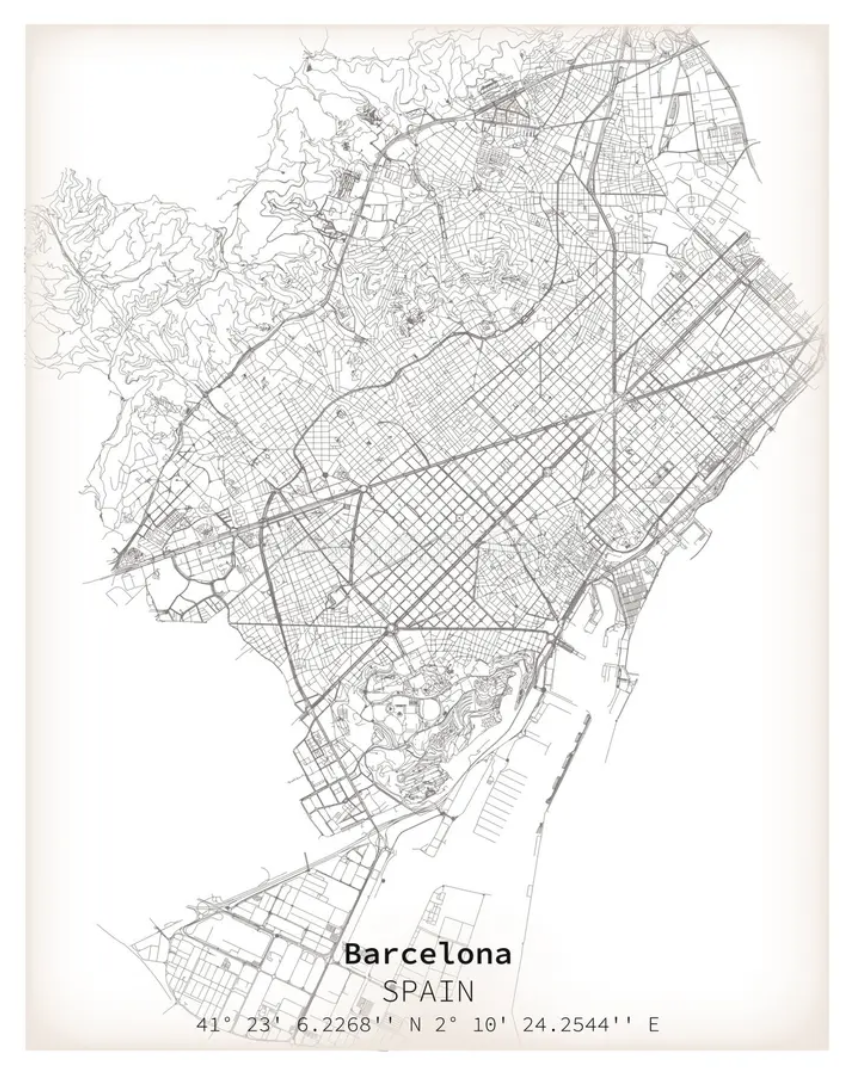
Map of Barcelona which was remodelled according to Cerdàs’s plan. Taken from narodnatribuna.info.

Alongside these conventional solutions were some that were more surprising. In her paper on the political thought of the architect Ildefons Cerdàs, Laura des Alisal highlighted Cerdàs's belief that making improvements to the environment in which people live not only improves their physical well-being but can also have moral and political implications. She convincingly argued that his book General Theory of Urbanisation, which is usually viewed as a manual for urban planners, can also be read as a text in political thought.

While imperial expansion was a source of corruption in the Roman, British, and Hapsburg cases, two papers presented it as a potential solution. Borbala Pigler showed how in early modern England, colonisation was seen as a solution to the problem of overpopulation. The issue, as she explained, was not simply quantity - that there were too many people - but also quality - the type of people - in particular those who were idle. Following medical models relating to an excess of blood, advocates of colonisation called not merely for bloodletting, but insisted on the need to purge the state of the idle by sending them to the colonies. This would both cleanse the English body politic and reform those individuals through hard work. In her keynote address Shiru Lim suggested a similar model was at work in the Russian Empire. Here Siberian exile was used as a means of purging a sick body politic by using it to absorb prisoners of war and political prisoners.
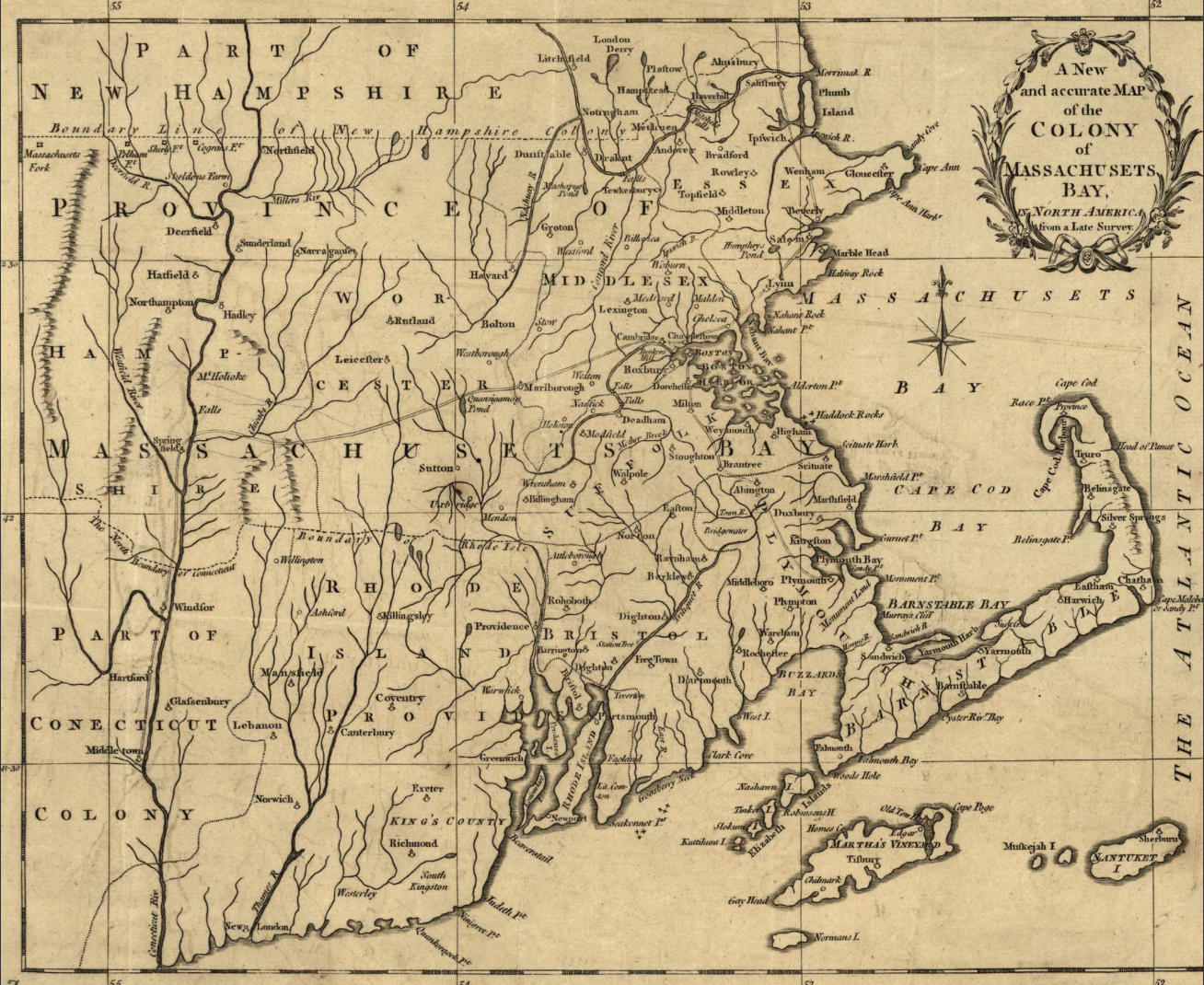
Early map of Massachusetts Bay from https://pacificpalisadesmap.github.io/new-rdcrrp-charting-the-beginnings-a-journey-through-the-map-of-the-massachusetts-bay-colony-yckbkr-pics/#

Finally, I was struck by the fact that while we did discuss Machiavelli, Hobbes, Rousseau and Nietzsche, we also had many papers on less well-known thinkers who were engaged in day-to-day politics. Ming-Yan showed how Thomas Pownall had interesting things to say about empire and imperial fragility that were influenced by his practical experiences of governing. Philip talked about his thinkers 'grappling' with the problems of the day. Nevo reminded us that constitutional theorists cannot rely solely on rules and idealisations but must attend to their particular historical moment. Perhaps the topic encouraged this practical focus but I cannot help thinking that it is also a reflection of the current state of the field. If that is the case, then we are perhaps heeding Georges Dumézil's point as highlighted in Katie Ebner-Landy's opening talk. Katie compared the methodologies of Harold Bloom and Quentin Skinner and sought to explain why the former is - to use Dumézil's phrase - now of 'mere historical interest', while the latter remains relevant. Dumézil's point was that in order to avoid decline a methodology must continue to be useful. This means that it must not simply be frozen in time but must instead be 'transformed by future generations'.

Corruption

There has been much talk in recent weeks of the presence of corruption in British politics. The Prime Minister and members of the Cabinet appear to be relaxed about accepting gifts from wealthy donors. Keir Starmar is said to have accepted £76,000 worth of gifts since 2019 including £16,200 of work clothing from the Labour peer Waheed Alli, as well as corporate hospitality at Arsenal and Taylor Swift concert tickets. (For an in-depth assessment see Peter Geoghegan, 'Labour and the Lobbyists', London Review of Books, 15 August 2024, pp. 10-12).

Image of the Prime Minister’s official residence at 10 Downing Street, taken from Wikimedia Commons.

Of course, such gifts are nothing new, and the perks Labour ministers have accepted pale into insignificance alongside Boris Johnson's Caribbean holiday on the island of Mustique, courtesy of the co-founder of Carphone Warehouse David Ross, and the refurbishment of his Downing Street flat that was paid for by Lord Brownlow. The idea that being in government brings perks way beyond the imagination of most working people seems to be widely accepted, at least among politicians themselves.

However, there is an issue about the gap that this creates between the Government and those it governs and represents. Another concern is the fact that the gift-givers might expect something in return - such as a blue light escort through the capital or favourable deals and contracts.

Corruption is not a new problem in Britain. As long ago as 1701, a pamphlet was published entitled: The Corruption and Impiety of the Common Members of the Late House of Commons. Its author claimed that the government had fallen into decay and observed that even those candidates who before being elected had insisted that they would be 'True-Representatives of the People' - once in office 'have done nothing worthy of the Name of Englishmen' (The Corruption and Impiety of the Common Members of the Late House of Commons. London, 1701).

While what was meant by corruption in the eighteenth century was not necessarily the same as what is meant by it now, understanding how the term was used then and why it was a cause for concern, might illuminate the issues under debate today.

Image depicting Aristotle. Taken from Wikimedia Commons.

In the late seventeenth and early eighteenth centuries, concern about the problem of corruption was grounded in the understanding that the British constitution required that the three elements of the system - Crown, Lords, and Commons - needed to be balanced with and against each other, so as to ensure that the whole would operate in the interests of the public good. The notion of balance in government was based on ancient ideas: Aristotle's assessment of the advantages and disadvantages of the rule of the one, the few, and the many; and Polybius's suggestion that a mixed government comprising all three could secure the advantages of each without their disadvantages. This understanding of mixed or balanced government - and of the English parliamentary system as an embodiment of it - was voiced by many on the parliamentarian side during the mid-seventeenth-century Civil Wars. More interesting is the fact that in 1642 it was used by the writers of His Majesties Answer to the Nineteen Proposition to counter the demands made of the King in those Propositions:

There being three kinds of government among men (absolute monarchy, aristocracy,

and democracy), and all these having their particular conveniences and

inconveniences, the experience and wisdom of your ancestors has so moulded this

out of a mixture of these as to give this kingdom (as far as human prudence can

provide) the conveniences of all three, without the inconveniences of any one, as

long as the balance hangs even between the three states (His Majesties Answer to the

Nineteen Proposition, London, 1642).

The pamphlet went on to argue that the demands being made by Parliament in The Nineteen Propositions - such as the requirement that all officers and counsellors be approved by Parliament - if adopted, would disrupt the balance by shifting power from the King to the Commons.

For opposition writers in the late seventeenth and eighteenth centuries it was not the Crown that was at risk from the Commons, but rather the Commons that was at risk from the Crown. As the author of The Corruption and Impiety of the Common Members of the Late House of Commons noted:

It hath been a common and known Practice for this Forty Years last past; for Men of

Confidence and ready Elocution, if they could but procure an Election in some little

Mercenary Burrough, and so get into the House, presently to set themselves to

oppose the King and the Court, that they might be bought off by some good

Gratuity; Pension, or Place (The Corruption and Impiety, p. 2).

‘James Murray’, by Pollard, 1770s. National Portrait Gallery, NPG D32123. Reproduced under a Creative Commons Licence.

In order to control Parliament, the monarch and ministers would offer money, pensions or positions to elected MPs. From 1706 the term 'placemen' began to be used to denote those implicated in this practice. According to the Oxford English Dictionary a 'placeman' is: 'A person who is appointed (or aspires) to a position, esp. in government service, for personal profit and as a reward for political support; a yes-man.' Placemen remained an issue throughout the eighteenth century. In 1774 the Newcastle minister and political activist James Murray spoke, via a thinly veiled reference to the Biblical state of Moab, of representatives selling out to the crown for 'places, pensions, and perquisites' so that the institution that was supposed to represent and protect the people's interests and liberties became a means of enslaving them. The system of places introduced was 'only to be enjoyed by the friends of the court, or such as wished well to its interests'. By this means, those appointed by the nation 'to guard their liberties in parliament, were corrupted, and sold their constituents for a place under, or a pension from the government.' (James Murray, New Sermons to Asses. Philadelphia, 1774, p. 9).

Not long after, the newly established 'Society for Constitutional Information' noted that the public had been repeatedly warned about the venality of their representatives and called for various changes aimed at expelling 'minions of a court from the temple of public freedom' and restoring 'parliaments to their original purity and people to their rights'. (A Second Address to the Public from the Society for Constitutional Information. London, 1782, pp. 9-10). The arguments of the Society on this point were again grounded in their understanding of the balance of the constitution and the importance of the three elements - King, Lords and Commons - remaining independent of each other: 'The moment that either the Crown, the Lords, or the Commons lose their independence, in that moment our Constitution is violated, our Government is overturned, and our Liberty is endangered.' (An Address to the public, from the Society for Constitutional Information. London, 1780, p. 1).

The kind of corruption at issue today is, of course, different from that condemned by James Murray and the Society for Constitutional Information. For those interested in the complexity and history of the concept I recommend Mark Knights’s book Trust and Distrust: Corruption in office in Britain and its Empire (Oxford, 2021). Today there are many sources of corruption, but the bottom line is the dominance of private interests, including those of the rich and the powerful, over the public interest or the common good.

Radical Republicanism

radicalrepublicanismprogramme.png

As I acknowledged in my recent book, the term 'republicanism' means different things to different people. Adding the adjective 'radical' to the term only complicates matters further, especially when the focus is the early modern period. The term 'radicalism' was not in use until the early nineteenth century, leading some scholars to argue that it should not be applied before that time. Yet 'Radical Republicanism in Early Modern Europe' was the title of an excellent conference organised by Anna Becker, Nicolai von Eggers, and Alessandro Mulieri in late June 2021. The conference organisers did not shy away from the difficulties with the terminology, indeed Nicolai von Eggers opened the proceedings by asking whether it is valuable to speak of 'radical republicanism'. What followed was a rich and lively discussion about what we mean by that label, what role the people should play within a republic, and why radical republicans are so often neglected within the historiography.

Niccolò Machiavelli by Santi di Tito. Taken from Wikimedia Commons.

Niccolò Machiavelli by Santi di Tito. Taken from Wikimedia Commons.

The constitution of the citizen body and the role its members should play have been key questions for those discussing republican rule ever since ancient times. As Alessandro Mulieri noted in his paper, Aristotle argued for the wisdom of the many over that of the few, insisting that as a collective body the many (understood as the middle orders rather than the poor) would have greater expertise, prudence, and virtue when it came to the selection of magistrates and the judgement of their actions. Niccolò Machiavelli famously expanded Aristotle's assessment to incorporate the plebs and to include lawmaking as well as the selection of magistrates. John McCormick has drawn attention to this aspect of Machiavelli's thought in his published work on the Florentine's democratic credentials. He developed this idea further in his paper at the conference, by exploring in greater detail the aristocratic republicanism of Francesco Guicciardini, which was in large part a response to Machiavelli's democratic republicanism. McCormick convincingly demonstrated that Machiavelli had got under Guicciardini's skin, leading him to adopt awkward positions (such as justifying genocide).

Plans that appeared in the Revolutions de Paris for platforms designed to make it possible for orators to be heard in a large assembly that was part of the wider proposals made by radical republicans during the early years of the French Revolution discussed by Nicolai von Eggers. Source gallica.bnf.fr/BnF.

Plans that appeared in the Revolutions de Paris for platforms designed to make it possible for orators to be heard in a large assembly that was part of the wider proposals made by radical republicans during the early years of the French Revolution discussed by Nicolai von Eggers. Source gallica.bnf.fr/BnF.

One feature of the more aristocratic form of republicanism advanced by Guicciardini is the mixed constitution. Both Markku Peltonen and Annelien de Dijn questioned its dominance within the republican tradition, showing that many seventeenth- and eighteenth-century republicans explicitly rejected that model, opting instead for a purer form of democratic rule. One of the key claims of Peltonen's excellent paper was that not only were republican arguments boldly made by a large number of English commentators during the period of the Commonwealth and Free State (1649-53), but that many described the government under which they were living positively as a democracy. De Dijn cited another seventeenth-century radical republican, Pieter De la Court who insisted that freedom would only be secure in a true democracy where decision-making power lay firmly with the people. Moreover, De Dijn argued that De la Court (along with his contemporary Baruch Spinoza and, later, Jean-Jacques Rousseau) took Aristotle's argument to its logical conclusion, insisting that the people were more likely to rule in the common good than the elite and arguing, therefore, that there should be no restraint on popular power but only a strict form of majoritarian rule.

In the discussion, Camilla Vergara articulated the distinction being explored very clearly: one form of republicanism involves the sharing of power between the elites and the plebs; whereas the other (democratic or plebeian republicanism) involves giving power to the people. Of course this raises further questions about how popular power can and should be exercised (especially in large modern states). This issue was broached in the two papers on the French Revolution. Ariane Fichtl explored the influence on the French revolutionaries of ancient institutions such as the popular tribunes. Nicolai von Eggers focused on those radicals who adopted an intermediate position between representative and direct democracy by calling for the use of imperative mandates that would bind deputies or delegates to act only on the instructions of those who had elected them.

Samuel Hayat's paper on the recent 'gilets jaunes' protests in France, opened up a further question of whether 'the people' speak with a single voice. This is certainly the impression the 'gilets jaunes' seek to present, but to do so they must downplay differences of opinion based on race, sex, or class. A further issue raised by Hayet's paper is the thorny relationship between the terms 'popular' and 'radical'. The importance of distinguishing the 'popular' from the 'radical' has long been acknowledged by historians of the British civil wars - not least John Morrill. Moreover, not only in that Revolution but also in France in 1793 and again in 1848, the revolutionary authorities were presented with a dilemma. Should free and fair elections be suspended if the outcome of such elections was likely to be a rejection of the revolutionary regime? 

Portrait of Pieter de la Court by Abraham van den Tempel, 1667. Taken from Wikimedia Commons.

Portrait of Pieter de la Court by Abraham van den Tempel, 1667. Taken from Wikimedia Commons.

Regardless of the different ways in which it has been defined, radical republicanism has long been obscured or even neglected. Throughout the conference we heard papers calling for the rehabilitation of important figures as diverse as Ptolemy of Lucca, Pier Filippo Pandolfini, and Pieter De la Court, as well as for recognition of the republican implications of the works of figures such as Étienne de La Boétie (examined in an interesting paper by Saul Newman). Selective borrowing has been in operation throughout history. In papers by Miguel Vatter and Alessandro Mulieri, Machiavelli was shown to have rejected Platonism and Aristotelianism while simultaneously taking on board certain ideas from them. In my own paper I showed that selectivity was also in operation in the use of James Harrington's ideas by eighteenth-century British thinkers.

This selectivity has continued in later scholarship. Jérémie Barthas noted that Rudolf von Albertini was crucial in downplaying the significance of radical republicans like Pandolfini, because of the perceived connection between his ideas and those of the Jacobins. Following John McCormick's account of the brutal side of Guicciardini's thought, Anna Becker posed the leading question of where the more positive reading of him had originated. Similarly, Markku Peltonen argued that radical republican writings of the early 1650s have largely been ignored by recent republican scholars.

Gaby Mahlberg and Anna Becker both wondered whether part of the reason for the dominance of a more elitist reading of the republican tradition arises from the source material that tends to be used - in particular the focus on a range of printed canonical texts. Gaby's exploration of translations, reviews and networks - along with Anna's work on women and republicanism - have the potential to offer an alternative view. While source material may be part of the problem, political attitudes and priorities no doubt also play their part. For this reason, radical republicanism not only offers a rich vein for future historical research, but also a potential source of valuable material to help us to understand the nature of the political system we have inherited and the means by which it might be improved in the future.