Vice, Corruption and Decay

In June I attended the 17th Annual London Graduate Conference in the History of Political Thought. As several participants noted, it seemed sadly fitting to be at a conference on the theme of 'Vice, Corruption, and Decay' on the opening day of the 2026 World Cup. Despite the potentially depressing theme, the conference proved remarkably stimulating and upbeat. As always, what follows are my personal reflections on the event.
While the three words of the conference title are closely related, each has a different meaning and distinct connotations. One contrast drawn out in the papers was between cyclical and terminal decline. Platonic and Aristotelian ideas of political corruption involve states cycling through a series of constitutional models with a degeneration from one to the next. Consequently, this can be viewed as a process of constant change. By contrast the biological image of decay implies that the decline is terminal and that the result will be complete destruction or death.
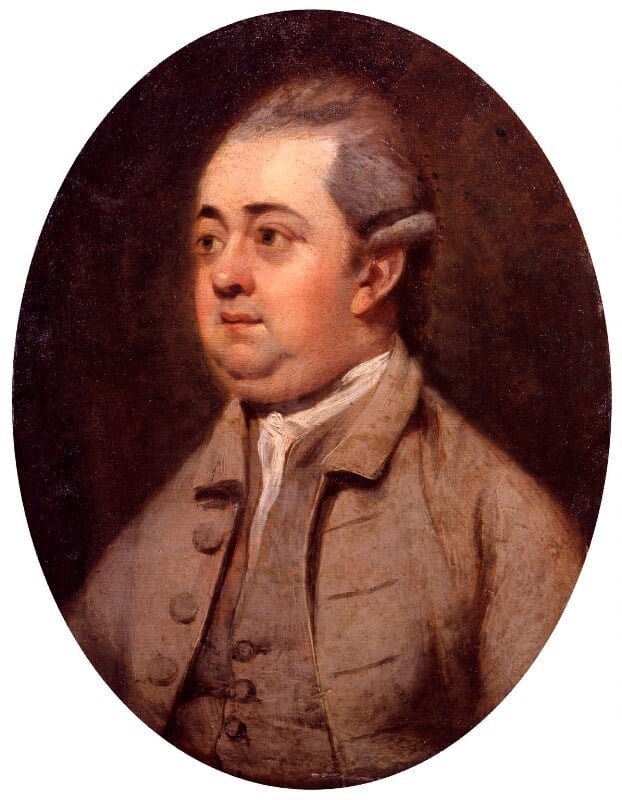
Edward Gibbon by Henry Walton, 1773. National Portrait Gallery, NPG 1443. Reproduced under a Creative Commons Licence.

Several papers explored the possibilities for interrupting or postponing decline. Ming-Yan Shih presented the ideas of Thomas Pownall, a British politician and Governor of the Province of Massachusetts Bay. Pownall drew on the medieval idea of Translatio Imperii to suggest that the decline of the British Empire could be delayed by shifting the centre of the empire westward from London to the American continent. Similarly, Harun Ali observed that Edward Gibbon's well-known account of the decline and fall of Rome was complicated by the need for him to address the Eastern portion of the Empire, which survived the fall of Rome albeit in a state of 'premature and perpetual decay'. Harun pointed out that this means that Gibbon's 'decline' narrative is not quite what it seems. Mirza Baig's exploration of Hobbes's use of an apocalyptic narrative presented a similar disruption of the expected model. Having demonstrated that the apocalyptic was a standard literary genre at the time, Mirza went on to show how Hobbes re-temporalised that narrative. He thus presented the apocalyptic as marking the end of a world, rather than the end of the world, and consequently a moment of renewal or regeneration rather than destruction. Finally, Francisca Naranjo pointed out that progress and degeneration are not always in opposition but can exist simultaneously with degeneracy operating as a kind of shadow of development.

These issues were further explored in our closing discussion. Mirza observed that a cyclical model need not always return to the point of departure - as illustrated by the image of a spiral. Paul Sagar raised the question of whether there is a distinction between attitudes to corruption and decline on the Left as compared with the Right. Paul suggested that there is a tendency for the Right to think in terms of decline from a past golden age, whereas those on the Left are perhaps more likely to look forward to a better future. Yet Ionut Vaduva's paper provided an interesting counterpoint to this - in looking at the discourse of the decline and fall of reason in the writings of the Marxist philosophers György Lukács, Herbert Marcuse and Ernst Bloch. They perceived a contrast between the rationalism of the Enlightenment which was then developed by Hegel and Marx and the irrationalism of the ideas of counter-revolutionary thinkers such as Schelling, Schopenhauer and Kierkegaard, perhaps leading to Fascism. While Ionut's paper and other participants made clear that the picture is more complex, there did seem to be something in the notion of the Right seeing the move from aristocracy to democracy as a sign of corruption. This was, of course, central to Nietzsche's understanding, which was touched on in several papers.

Jack Graveney compared Nietzsche with his contemporary Joseph Burkhardt. For Nietzsche the slavery of the masses was necessary for the flourishing of the few. Burkhardt rejected Nietzsche's notion of the happiness of the past as an optical illusion, suggesting that Nietzsche's idea that the slave was happy on account of being free from modern delusions was a myth. Fergus Cullen showed how Nietzsche's veneration for aristocracy was picked up by the conservative Anthony Ludovici who contrasted a positive image of ancient aristocracy with a notion of modernity as marking the triumph of the weak and ugly. While not presented in the same Nietzschean vein, Gonzalo Lope Prieto's account of Carl Schmitt's idea of the partisan offered a similar notion of decline from an aristocratic original to a corrupt democratic form.
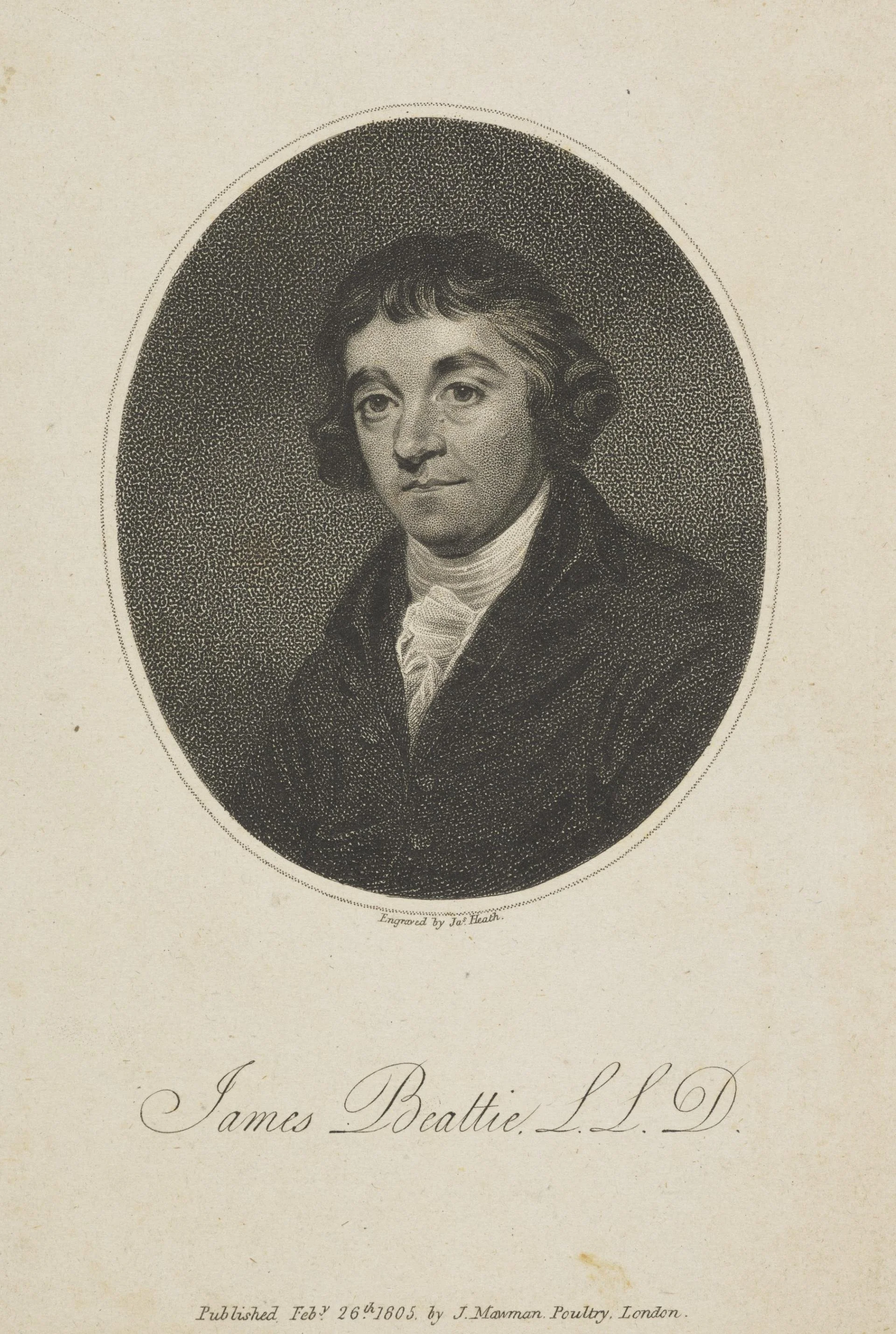
James Beattie, 1735-1803. Poet and moral philosophe. Image engraved by James Heath and published by J. Mawman, 1805. ‘National Galleries of Scotland’.

Other papers reflected the shift from aristocracy to democracy as constituting decline in more practical terms. Botond Rudolf Pap showed that for at least one of the late eighteenth-century Hungarian thinkers he studies, the nobility were the true and sole proprietors of the nation and any weakening of their power was viewed as decline. Seungeun Lee suggested that Mikhail Shcherbatov adopted a similar perspective on corruption in eighteenth-century Russia. He looked back to the noble virtues of the past and insisted on the need for the monarch to be tempered by aristocratic restraint. Similarly, Leo Strauss's concept of a Liberal Education - which was explored by Yiyang Fang - was designed to cultivate the 'perfect gentleman' and motivated by a rejection of mass democracy and culture. A similar sort of aristocratic disdain was even documented in Amit Aizenman's paper on James Beattie. Amit showed that Beattie's concern about Hume's scepticism was less about the ideas themselves, than their becoming fashionable among the general population. As Amit explained, this was why Beattie's solution was to challenge Hume's position via ridicule - since this was a means of damaging the social standing of the ideas and the philosopher associated with them.

As Botond noted, one person's decline is another's progress, and this was brought home in Pim Trommelen's paper on the De la Court brothers. In contrast to many republican thinkers, they did not favour aristocracy over democracy, nor did they believe that the cultivation of virtue was necessary to prevent corruption. Instead, they argued that the advancement of each person's self-love is an expression of the common good and on this basis argued that popular government is actually the best form. Bad behaviour on the part of the mob, they argued, is not due to human nature and so must instead be the result of material inequality. If that inequality is reduced and all are given the opportunity to participate in politics then vicious actions can be avoided.

Pim's paper was not the only one to address potential solutions to the problem of corruption. Some of the solutions explored across the 23 papers were familiar and expected, others less so.
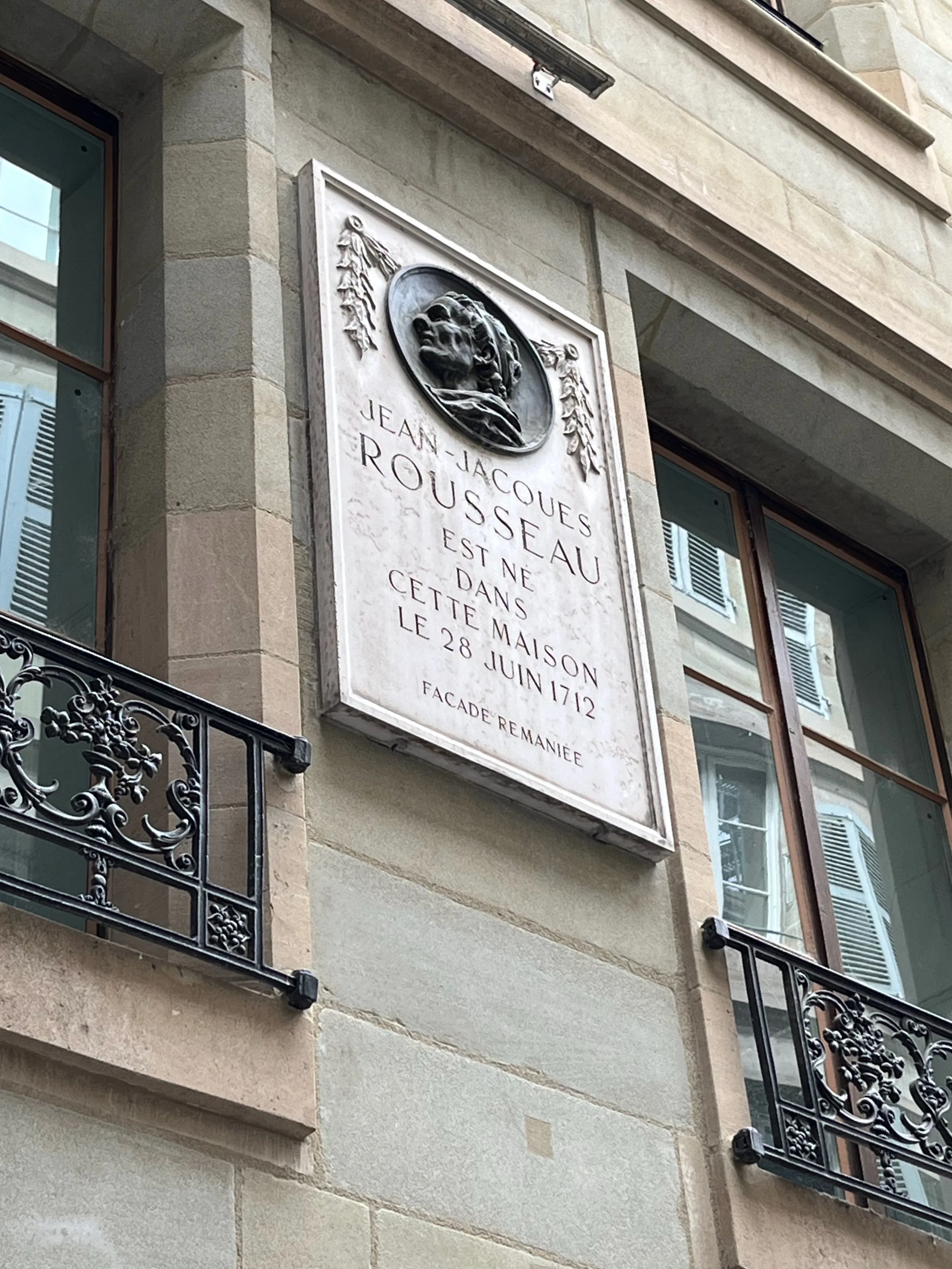
Plaque commemorating Jean-Jacques Rousseau’s birthplace in Geneva. Image by Rachel Hammersley, 2025.

Panel 5 as a whole focused on education, though what was interesting here was the diversity in how education was conceived. Yiyang compared the Liberal Education programmes of Michael Oakeshott and Leo Strauss. Both advocated reading the 'great books' in the history of political thought as crucial training, but Yiyang suggested that whereas for Strauss the goal of this programme was to seek the truth, for Oakeshott it was more about students being initiated into a tradition. Francisca highlighted the importance of music education in the new Equadorian republic in the late nineteenth century. In an historical context in which Latin America was seen as a developing region, while the West was perceived to be in decline, classical music was viewed simultaneously as a symptom of decay and a potential antidote to it. While Rousseau also valued music, his approach to addressing moral decay, as Jinru Zhou demonstrated, centred on the notion of pity. Jinru drew out the contrast between the natural pity of the Second Discourse - which is instinctive and anterior to reason - and the refined pity of Emile, which required imagination and judgement and which, if cultivated, could offer a domestic remedy to human corruption

Legal frameworks offer another conventional solution to the problem of corruption. Laws are a means of controlling the flawed behaviour of human beings and the rule of law can even constrain the actions of the ruler. In this vein, Philip Al-Taiee noted the rejection of personal decrees in a Prussian context and Botond observed that his Hungarian thinkers criticised breaches of the law by rulers such as Joseph and Maria Theresa. As Bram Sturley demonstrated in his discussion of the writings of early twentieth-century Austrian socialists, laws also have to be adapted to fit new circumstances - not least when seeking to incorporate different nationalities within the Hapsburg Empire.
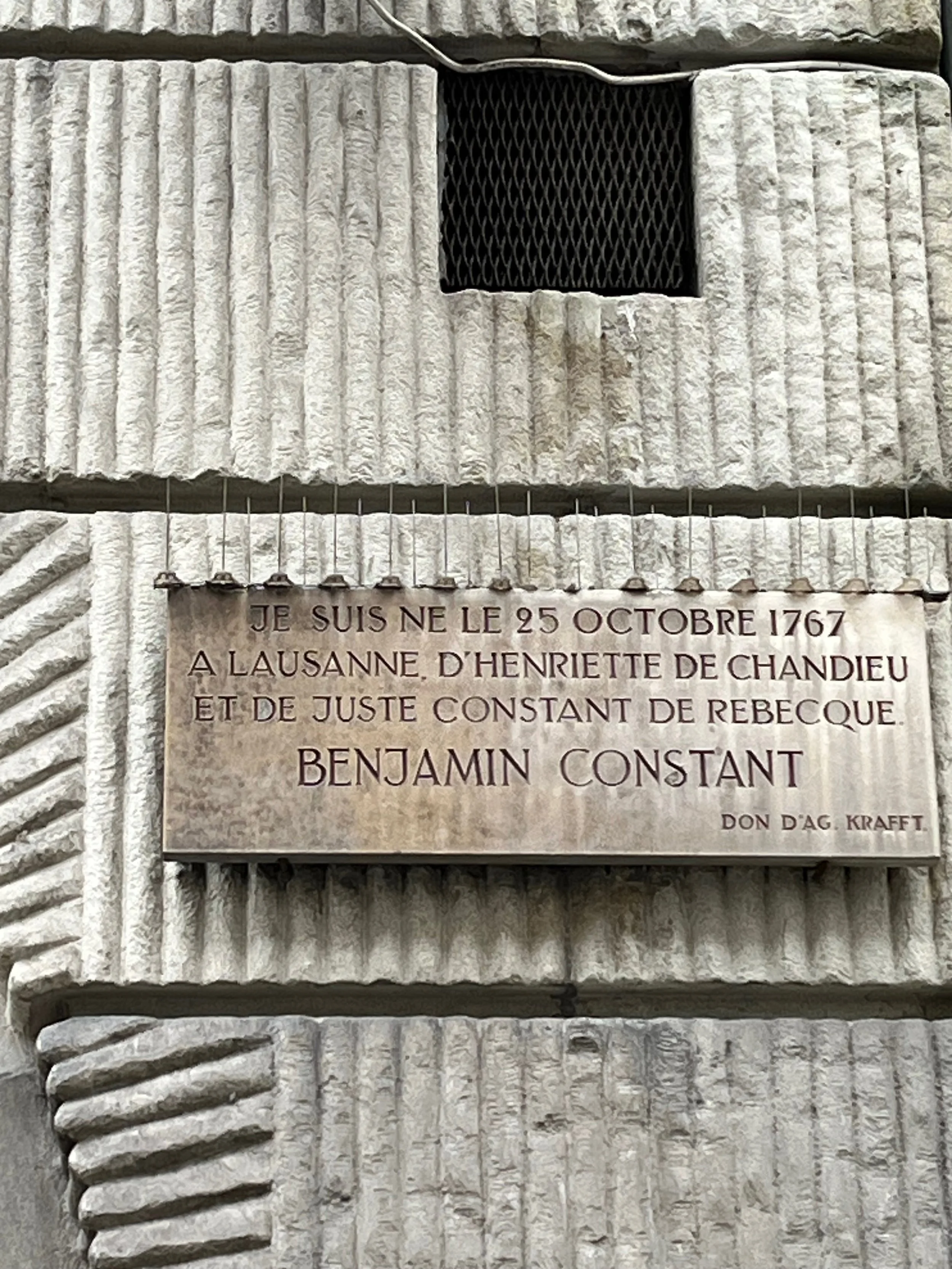
Plaque commemorating the birthplace of Benjamin Constant in Lausanne. Image by Rachel Hammersley, 2025.

Closely linked to the rule of law is the idea of a mixed constitution. The original formulation - dating back to Polybius - featured relatively little in our discussions, but we did explore modern adaptations. Philip revealed that some of his Prussian intellectuals used republican solutions to protect monarchy from slipping into despotism. In the same panel, Nevo Spiegel showed how Benjamin Constant's later writings advocated a monarch as a vertical balancing power to solve the republican problem of resolving conflicts between the legislative, executive, and judicial branches of the constitution. Pim reminded us that not all republican writers favoured the mixed constitution. Dutch thinkers like the De la Courts explicitly rejected that model on the grounds that it introduces competition into the system and so is liable to generate civil conflict.

For Machiavelli civil conflict was, of course, part of the solution rather than the problem, with active citizenship, tumults, and armed citizens all working to postpone decline. Yet, even here, the papers suggested that the story is more complex than we might think. Haoze Zhou showed that while the account offered in the Discourses is that conflict between the patricians and plebs rendered the Roman republic free and powerful, in the History of Florence civil conflict is a source of political decay. Haoze showed that the key for Machiavelli was to have conflict without sects and that this required good institutions that could contain private interests. Nicolau Lutz's paper complicated another key aspect of Machiavelli's thought - his preference for citizen soldiers over mercenaries. Nicolau showed that while Machiavelli saw mercenaries as morally corrupt, the Straussian critique of the civic humanist position, which suggested that Machiavelli believed strong leadership could make mercenaries more like citizen soldiers, is not entirely incorrect.

Interestingly religion as a solution to the problem of moral corruption was less prominent in the papers. It only surfaced in the final panel when Haoze presented religious institutions as one means by which Machiavelli thought private interests could be contained. Its almost complete absence from our discussions probably says as much about twenty-first-century intellectual historians' preoccupations as the importance of religion to the topic itself.
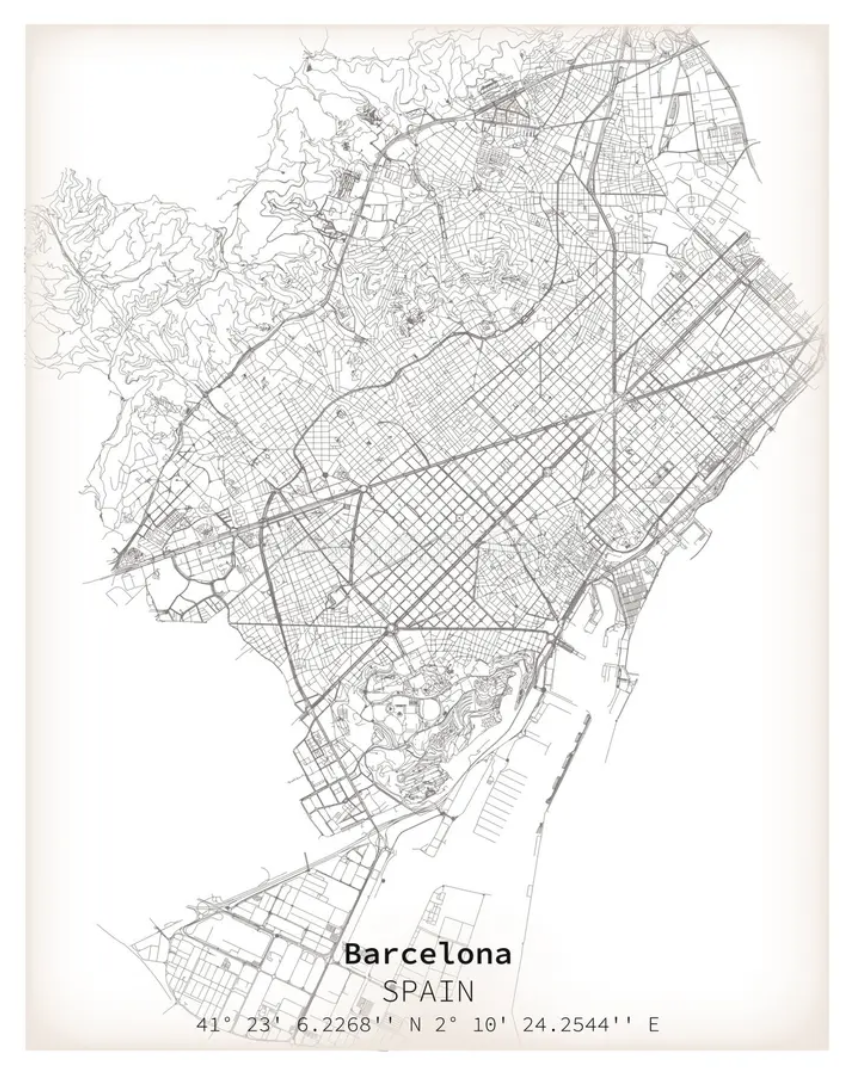
Map of Barcelona which was remodelled according to Cerdàs’s plan. Taken from narodnatribuna.info.

Alongside these conventional solutions were some that were more surprising. In her paper on the political thought of the architect Ildefons Cerdàs, Laura des Alisal highlighted Cerdàs's belief that making improvements to the environment in which people live not only improves their physical well-being but can also have moral and political implications. She convincingly argued that his book General Theory of Urbanisation, which is usually viewed as a manual for urban planners, can also be read as a text in political thought.

While imperial expansion was a source of corruption in the Roman, British, and Hapsburg cases, two papers presented it as a potential solution. Borbala Pigler showed how in early modern England, colonisation was seen as a solution to the problem of overpopulation. The issue, as she explained, was not simply quantity - that there were too many people - but also quality - the type of people - in particular those who were idle. Following medical models relating to an excess of blood, advocates of colonisation called not merely for bloodletting, but insisted on the need to purge the state of the idle by sending them to the colonies. This would both cleanse the English body politic and reform those individuals through hard work. In her keynote address Shiru Lim suggested a similar model was at work in the Russian Empire. Here Siberian exile was used as a means of purging a sick body politic by using it to absorb prisoners of war and political prisoners.
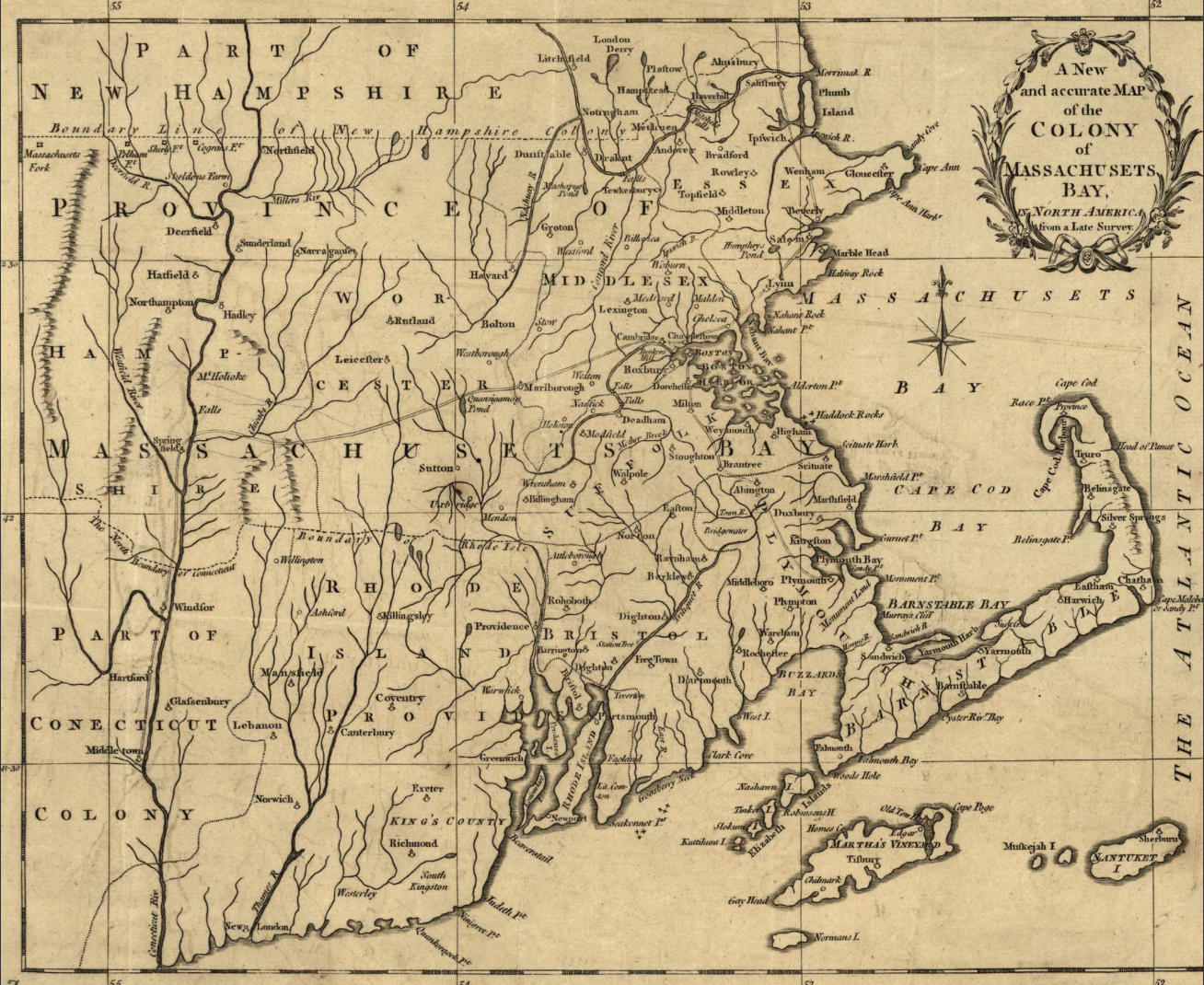
Early map of Massachusetts Bay from https://pacificpalisadesmap.github.io/new-rdcrrp-charting-the-beginnings-a-journey-through-the-map-of-the-massachusetts-bay-colony-yckbkr-pics/#

Finally, I was struck by the fact that while we did discuss Machiavelli, Hobbes, Rousseau and Nietzsche, we also had many papers on less well-known thinkers who were engaged in day-to-day politics. Ming-Yan showed how Thomas Pownall had interesting things to say about empire and imperial fragility that were influenced by his practical experiences of governing. Philip talked about his thinkers 'grappling' with the problems of the day. Nevo reminded us that constitutional theorists cannot rely solely on rules and idealisations but must attend to their particular historical moment. Perhaps the topic encouraged this practical focus but I cannot help thinking that it is also a reflection of the current state of the field. If that is the case, then we are perhaps heeding Georges Dumézil's point as highlighted in Katie Ebner-Landy's opening talk. Katie compared the methodologies of Harold Bloom and Quentin Skinner and sought to explain why the former is - to use Dumézil's phrase - now of 'mere historical interest', while the latter remains relevant. Dumézil's point was that in order to avoid decline a methodology must continue to be useful. This means that it must not simply be frozen in time but must instead be 'transformed by future generations'.

Representation and Misrepresentation

representationandmisrepresentation.png

Last month I wrote about the 'Translating Cultures' workshop that I attended at the Herzog August Bibliothek in Wolfenbüttel, Germany in late June 2018. The same week I also spoke at the Graduate Conference in the History of Political Thought held at UCL in London. The theme this year was 'Representation and Misrepresentation' and I was honoured to be invited to deliver the keynote address. Unfortunately, I was only able to attend the first five panels, but I heard some fascinating, inspirational papers that led me to reflect on several key themes.

One of these was the sheer complexity of the concepts 'representation' and 'misrepresentation'. This complexity has a long history. While representative government is often associated with modern democracy - with representation presented as a means of making democratic government workable in large modern nation states - Ludmilla Lorrain reminded us that representation was originally developed in opposition to democracy. Late eighteenth-century advocates of representative government - for instance, the American founding fathers, Emmanuel-Joseph Sieyès and Edmund Burke - believed democracy ought to be avoided, and instead celebrated representative government as superior. In this context, Lorrain argued, William Godwin's commitment to 'representative democracy' is worthy of investigation.

Benjamin Constant, as Arthur Ghins demonstrated, sided with Sieyès and Burke rather than Godwin. The advantage of representation for Constant was not that it made democracy possible, but rather that it would result in good political decisions. Ghins also argued that Constant was more concerned with representing interests than individuals, further complicating what we understand by political representation. 

John Stuart Mill, replica by George Frederick Watts, 1873. National Portrait Gallery NPG 1090. Reproduced under a Creative Commons License.

John Stuart Mill, replica by George Frederick Watts, 1873. National Portrait Gallery NPG 1090. Reproduced under a Creative Commons License.

The question of who or what was to be represented was always contentious, and from the French Revolution onwards some claimed that representation ought to extend to women as well as men. John Stuart Mill was a particularly strong advocate of this claim. In her paper, Stephanie Conway argued for the centrality of this commitment within Mill's thought. Mill, she suggested, believed that the enfranchisement of women would solve the pressing problem of overpopulation.

Alongside who should be represented, the tools used to exercise representation have also proved contentious. The timely issue of the uses of referenda in representative governments was explored by Gareth Stedman Jones, in his introductory address, and by Ariane Fichtl. Opening her paper with a reference to Jacques Louis David's painting 'The Oath of the Horatii', Fichtl noted that the Horatii were eventually acquitted after an appeal to the Roman popular assembly. Yet in 1792 it was the Girondins, rather than David's allies the Jacobins, who advanced the idea of referring the decision about what should be done with the former French king to the people. Stedman Jones noted that under both Napoleon III and Hitler referenda were used as a means of providing apparent democratic accountability in systems that were some way from being democratic.

Jacques-Louis David, 'Oath of the Horatii', 1784. Reproduced from Wikimedia Commons - https://commons.wikimedia.org/wiki/File:David-Oath_of_the_Horatii-1784.jpg

Jacques-Louis David, 'Oath of the Horatii', 1784. Reproduced from Wikimedia Commons - https://commons.wikimedia.org/wiki/File:David-Oath_of_the_Horatii-1784.jpg

Sir William Temple, Bt., after Sir Peter Lely. Based on a work of c.1660. National Portrait Gallery NPG 152. Reproduced under a Creative Commons License.

Sir William Temple, Bt., after Sir Peter Lely. Based on a work of c.1660. National Portrait Gallery NPG 152. Reproduced under a Creative Commons License.

As well as causing me to reflect on the complexities of representation, the papers also encouraged me to think about the nature of the history of political thought as a field. In the first place it is clear that the importance of examining works in their historical and intellectual context - as pioneered by the Cambridge School - remains a useful and revealing methodology. Interestingly, it was, perhaps, the speakers from the European University Institute in Florence who displayed the richness of that approach most eloquently. Bert Drejer explored the revisions that Johannes Althusius made to the 1610 and 1614 editions of his Politica, methodice digest in response to changing circumstances. Moreover, in answering questions he noted that part of the reason for Althusius's greater emphasis on cities in the later editions was probably that he had become a syndic himself in the intervening period. Juha Haavisto is writing an intellectual history of William Temple and very much seeking to set Temple's thought in its context. He described Temple as a practical and pragmatic writer whose lack of consistency can be explained by the fact that he often adapted his thought to the circumstances. Elias Buchetmann is working on a contextual reading of Georg Wilhelm Friedrich Hegel's philosophy. He argued that Hegel's observation of events in Württemberg, particularly the constitutional crisis of 1815-19, had a significant impact on the development of his thought. Morgan Golf-French also touched on this approach in his question to Ghins regarding the relationship between Constant's liberalism and his knowledge of, and engagement with, the German context.

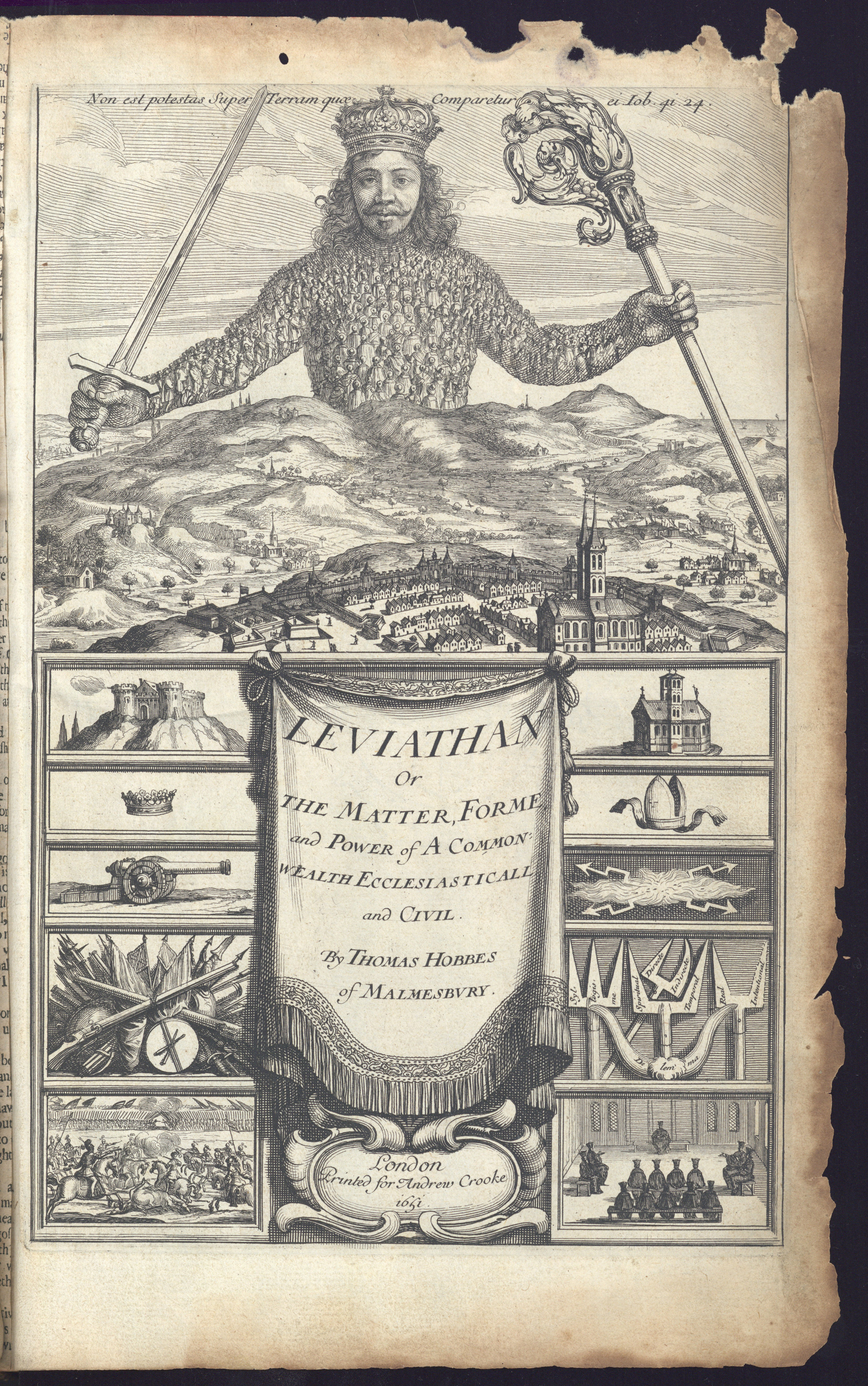
Frontispiece to Thomas Hobbes, Leviathan with its image depicting the state literally representing or embodying the population. Reproduced with permission from Robinson Library, Newcastle University. Special Collections, Bainbrigg (Bai 165…

Frontispiece to Thomas Hobbes, Leviathan with its image depicting the state literally representing or embodying the population. Reproduced with permission from Robinson Library, Newcastle University. Special Collections, Bainbrigg (Bai 1651 HOB).

While suggesting much continuity, these papers also showed signs of new developments and trajectories in the history of political thought. In particular, it is clear that there is a growing tendency towards branching out from politics, narrowly defined, to explore the interrelationship between politics and other fields of knowledge. The 2009 book Seeing Things Their Way put forward a two-pronged argument: that advocates of the Cambridge School have often ignored or downplayed the religious dimension of earlier thought; and yet that their methodology is particularly conducive to understanding and making sense of religious beliefs and convictions in their own terms (Seeing Things Their Way: Intellectual History and the Return of Religion, ed. Alister Chapman, John Coffey and Brad S. Gregory. Notre Dame, Indiana: University of Notre Dame Press, 2009). Building on this idea, Connor Robinson reminded us that debates about the polity took place within the church as well as the state in seventeenth-century England. He suggested that ideas of representation in that period might usefully be read against the background of Protestantism, showing that the ideas and practices of the early church were central to the responses that James Harrington and Henry Vane made to Thomas Hobbes. Barret Reiter also linked political and religious thought, presenting Hobbes's interest in the problem of idolatry as part of a much wider concern with the fancy or imagination. The root of Hobbes's concern with idolatry, Reiter argued, lay in the individual following his own imagination rather than obeying the sovereign.

Other papers touched on other relationships. Alex Mortimore examined the way in which political ideas could be expressed in literary form, specifically in Johann Wolfgang von Goethe's work Die Aufgeregten (The Agitation), which was written in 1792 at the height of the French Revolution. I was particularly struck by the subtitle of this work 'A Political Drama' and wondered whether this was a common genre at the time or whether it was prompted by Goethe's reaction to this highly charged political moment. The paper served to remind us that literary sources can be just as valuable as political texts in reflecting the political views being expressed and debated at particular points in time.

Economics is another discipline that is closely related to politics and that was often not fully distinguished from it in earlier periods. Both Ghins's paper and that by Henri-Pierre Mottironi explored the interrelationship between politics and economics in the late eighteenth and early nineteenth centuries. Mottironi demonstrated that the French Physiocrats modelled their ideas of citizenship, taxation, and representation on practices that were well established in corporate institutions, including joint stock companies such as the French East India Company. Sieyès then derived his understanding of these same concepts from the Physiocratic model and embodied them in his constitutional proposals many of which were reflected in the French constitution of 1791. While convinced of this borrowing, I was also struck by the tension that this brings to light between what revolutionaries like Sieyès were claiming and what they were doing. Sieyès set out to replace the unjust and unequal organisation of French society around corporate bodies such as the Estates with a more equal and rational system centred on individuals. Yet Mottironi's work suggests that in the very conception of this new rational model Sieyès was himself drawing on practices that operated in corporations like the joint stock companies.

Perhaps it is precisely because political concepts are so complex that the history of political thought is in such rude health?

What is Democracy?

Happy New Year! The first day of 2018 seemed a good day to post a blog that looks both backwards and forwards on a key topic of the moment: democracy. The concept of democracy is simultaneously central to our current political culture and at the same time the subject of debate. In a previous blogpost I noted Harrington's distinctive understanding of democracy and suggested that his thinking on this subject might provide some interesting answers to our current democratic crisis. I want to build on this suggestion in my next few posts by exploring three mechanisms that were proposed by Harrington, or his followers, which could be used to breathe new life into our democracy. As a preface to those explorations, this post will offer a brief history of the concept of democracy, focusing in particular on how it was understood in the seventeenth century.

Benjamin Constant, taken from Wikimedia Commons.

Benjamin Constant, taken from Wikimedia Commons.

Democracy is a complex concept with a long and convoluted history. Today, of course, it is almost universally praised, but this was often not the case before the twentieth century. Its origins lie in ancient Greece, especially Athens. Yet not only was it much criticised at that time (not least by the two most renowned philosophers of the day, Plato and Aristotle), but the form democracy then took was very different from the political structures and values to which the term is applied today. These differences were emphasised by Benjamin Constant in the early nineteenth century. He drew a distinction between the liberty of the ancients and that of the moderns. The first, which he described as involving the complete subjection of the individual to the authority of the community, involved the direct exercise of collective political power through: deliberation; the voting of laws; and the calling to account of magistrates. The second, by contrast, prioritises the rights of the individual. It encompasses: the right to freedom of speech, movement, association, religion and employment; the right to be governed by the rule of law and to dispose of one's property as one sees fit; and, in political terms, it requires simply 'the right to exercise some influence on the administration of government' whether by electing some or all officials, or via representations, petitions and demands. Constant's 'liberty of the moderns', then, is precisely what democracy in its modern guise is designed to protect, and the origins of this modern form of democracy are usually traced back to Constant's own time, and in particular, to the revolutions and reforms of the late eighteenth and nineteenth centuries. Yet democracy was also much discussed in the seventeenth century, not least in England during the mid-century Revolution, and there are grounds for tracing the origins of our modern understanding of the concept right back to that point. 

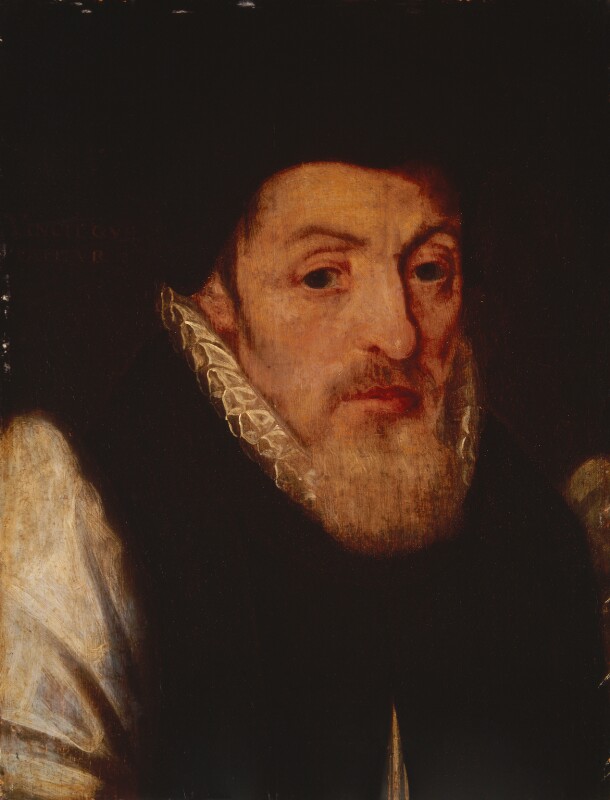
John Whitgift by an unknown artist. National Portrait Gallery, NPG660. Reproduced under a creative commons license.

John Whitgift by an unknown artist. National Portrait Gallery, NPG660. Reproduced under a creative commons license.

The term 'democratical' was first used in print in English in 1574: in a work published by the future Archbishop of Canterbury, John Whitgift, which responded to Puritan calls for further purification of the Church of England. Within this dispute the question was raised as to whether church and state government should take the same form. Whitgift's opponent, Thomas Cartwright, argued that the government of the state should be fitted to that of the church, a suggestion that Whitgift interpreted as suggesting 'that the government of the commonwealth, ought not to be monarchical, but either democratical or aristocratical, because (as you say) the government of the Church ought to be such'. (John Whitgift, The defense of the aunswere to the Admonition against the replie of T. C., London, 1574, p. 389). The term was also invoked in another religious debate, this time originating in the 1580s, concerning the method of election within the early church and its implications for the present.

Thomas Cartwright by an unknown artist, 1683. National Portrait Gallery, NPG D20948. Reproduced under a creative commons license.

Thomas Cartwright by an unknown artist, 1683. National Portrait Gallery, NPG D20948. Reproduced under a creative commons license.

Most of the references to democratic government in the sixteenth and early seventeenth centuries related to these debates, and they were relatively few in number. Moreover, at this time democracy was usually portrayed in negative terms. Between 1570 and 1600 fewer than ten works appeared each decade that included the word 'democratical'. By the 1640s, however, more than 100 works did so. Part of the reason for the increasing popularity of the term relates to the political upheavals of those years. Indeed, some commentators even began to use the term 'democracy' to describe the government of England itself. Initially democracy was simply used to designate one element of England's mixed constitution but, following the regicide, England was presented in several works as a pure democracy. Not only that, but some commentators actively embraced this idea. In a sermon preached before the Lord Mayor, aldermen, sheriffs and companies of London in October 1650, Nathanael Homes sought to distinguish a 'popular parity; a levelling Anarchie' from 'a regular Democracie'. The latter, he insisted, 'assisted with an occasional Aristocracie in Trust, is most safe; as some experience may be seen, in Switzerland, Venice, Low-countries, and New-England; and most anciently among the Jews, in the time of the Judges'. (Nathanael Homes, A sermon, preached before the Right Honourable..., London, 1650, p. 32). 

Title page to The Prerogative of Popular Government from The Oceana and Other Works of James Harrington, ed. John Toland (London, 1737). Private copy. Image by Rachel Hammersley.

Title page to The Prerogative of Popular Government from The Oceana and Other Works of James Harrington, ed. John Toland (London, 1737). Private copy. Image by Rachel Hammersley.

James Harrington too sought to rehabilitate the concept of democracy on the basis of exactly the same distinction, but he went further, seeking at the same time to distance the concept of democracy from ancient Athens and the emphasis on free speech and debate among the citizenry that was central to government in that city. The so-called 'democracy' of Athens was, in Harrington's eyes, really anarchy because it allowed debate among the citizens, which tended to produce chaos. In contrast to this he celebrated what he described as the 'democracy' of Sparta which was instead grounded in popular sovereignty, which he understood as the right to accept or reject legislative proposals. In Oceana Harrington made the case for Sparta as a democracy on the grounds that in that system the senate was elected and the popular assembly had the right of veto over the propositions of the senate. In his subsequent work The Prerogative of Popular Government he repeated this point and offered further justification for the superiority of Spartan 'democracy' over Athenian 'anarchy': 'debate in the people maketh anarchy, and where they have the result and no more, the rest being managed by a good aristocracy, it maketh that which is properly and truly to be called democracy, or popular government'. (James Harrington, The Prerogative of Popular Government in The Oceana and Other Works of James Harrington, ed. John Toland, London, 1737, p. 308). In my last blogpost I noted how different the composition of Harrington's senate was both from other second chambers at the time and from the House of Lords today, and here we can see that Harrington's senate was also distinguished by its distinctive function. The role of the senate was to debate and propose legislation, but it was for the popular assembly to accept or reject those proposals.

Title page to second book of The Prerogative of Popular Government from The Oceana and Other Works of James Harrington, ed John Toland (London, 1737). Private copy. Image by Rachel Hammersley.

Title page to second book of The Prerogative of Popular Government from The Oceana and Other Works of James Harrington, ed John Toland (London, 1737). Private copy. Image by Rachel Hammersley.

Several conclusions can be drawn from this very brief account of seventeenth-century democracy. First, discussions of democracy originally arose not in the realm of politics narrowly defined, but rather with reference to religion and the relationship between church and state. Indeed this was still true of Harrington, who made much of the practice of democracy within the Hebrew commonwealth (as depicted in the Old Testament) and in the early church (as described in the New). Modern democracy, then, should not simply be seen as a secular concept, but one with firm religious foundations. Secondly, the history of democracy in the seventeenth century is a good example of a common tendency by which political concepts enter the lexicon as terms of abuse, but once there are available for adaptation, and even more positive adoption, by individuals or groups. Consequently, a proper understanding of the origins of political concepts must take into account not just positive depictions of them, but also negative ones. Moreover, both the initial negative understanding of democracy, and the relative flexibility of the concept in the seventeenth century, render exploration of that phase of its development of particular relevance today. The negative accounts of sixteenth and seventeenth-century thinkers can help us to identify and analyse some of the potential problems of democracy. At the same time, the flexibility of the concept - before it became inextricably intertwined with voting, elections and majority rule - might provide us with interesting hints at the paths not taken, alternative ways of thinking about democracy, and even potential solutions to current political problems.

This leads us back to Harrington. In one sense we might posit Harrington's analysis in Oceana and The Prerogative of Popular Government as marking the birth of modern democracy in enacting the shift away from its ancient Athenian form - where the emphasis was on political debate and direct political action - and towards a version grounded in popular sovereignty exercised via a representative assembly. Yet, at the same time, Harrington's constitutional model sets out a politics that is very different from our own democratic system. And while we might not want to adopt his idea that the popular assembly cannot debate, but only silently accept or reject legislative proposals, his appreciation of the fact that modern democracy raises the danger of rule by an entrenched political elite, and his proposals as to how that can be avoided, may well provide a stimulus to productive political thought in the twenty-first century.